Occidental Petroleum
chief executive Vicki Hollub was caught off guard when U.S. oil giant Chevron
swooped in last month with a $33 billion offer to buy Anadarko Petroleum, the
oil and gas exploration and production firm she had been wooing for nearly two
years. Chevron, nearly five times larger than Occidental, appeared to have
out-manoeuvred its smaller rival. But on Sunday Hollub showed the fight was not
over. After a whirlwind few days to raise more cash, Hollub offered a sweetened
deal. By Thursday, Chevron had bowed out. In edging out Chevron, Hollub leaned
on global relationships and knowledge forged from 35 years in the oil industry,
according to about a dozen people familiar with the talks leading up to the
company’s latest offer.
 Occidental had
struggled to win over Anadarko because its first public $38 billion offer of 50
percent cash and 50 percent stock, as well as previous offers made privately,
required the approval of Occidental shareholders, and Anadarko was not
convinced they would go for the deal, two sources familiar with the discussions
told Reuters.
Hollub knew she
needed to substantially increase the cash offer – thereby making shareholder
approval unnecessary – and moved swiftly to secure it, the sources said. She
was in Paris on April 26, just two weeks after Chevron’s announcement, and
struck an $8.8 billion deal with French major Total SA to sell Anadarko assets
her company didn’t yet own. Two days later she was in Omaha, Nebraska, securing
$10 billion in financing from billionaire investor Warren Buffett’s Berkshire
Hathaway Inc, who typically does not partner with companies pursuing
unsolicited takeovers. Occidental declined to make Hollub available for an
interview for this story. The company’s shares are down 9 percent since making
their offer public in late April. The combined company would establish
Occidental as the largest operator in the Permian basin in west Texas and New
Mexico, the heart of the U.S. shale revolution, where a boom in production has
propelled the United States into becoming the world’s largest oil producer. It
would make Occidental the third-largest U.S. oil company with a market value of
about $80 billion, dwarfed only by global giants Exxon Mobil and Chevron.
“She’s doing the
boldest M&A thing that’s happened since the ‘80s,” said Amy Myers Jaffe,
energy consultant and senior fellow at the Council on Foreign Relations.
“You’re having an atypical M&A battle in a very competitive space where
(usually) the bigger you are, the more you’re going to win.”
Hollub’s challenge
has stunned an industry where the last attempt to break up an agreed-upon deal
between two U.S. oil companies was in 1984 when Texaco challenged Pennzoil’s
acquisition of Getty Oil. It has also angered some Occidental investors who say
Hollub is overstretching the company’s balance sheet in an ill-advised quest
for size in a volatile industry.
 “Our concern is the
willingness of the management team at Occidental to cut very favorable deals
against the interests of shareholders on a longer-term basis,” said John
Linehan, portfolio manager at T. Rowe Price. T. Rowe, the sixth-largest holder
of Occidental shares, announced it would vote against the board of directors on
the annual shareholder meeting Friday. But such a move may be mostly symbolic. An
Occidental spokesman declined to comment on the concerns but pointed to
Hollub’s defense of her strategy that it was better to raise cash than issue
new debt. Hollub’s background in the technical aspects of oil production
contrasts with her predecessor, a banker and known deal maker. She has been
described as down to earth by former and current employees, differing from
flamboyant energy CEOs.
Buying Anadarko was
seen as the best way for Occidental to gain more acreage in the Permian shale
basin, where it markets nearly a quarter of all barrels produced in the region.
When Chevron announced a deal on April 12 to buy Anadarko, Hollub gathered the
merger team. They were shocked that Anadarko had accepted a bid that was $11
per share below what Occidental had privately offered, three of the people
familiar with the discussions said.
“She thought, we’re
in it to win it. Let’s make our offer public so their shareholders know what
they passed up,” one of the sources said. In a letter to Anadarko’s board of
directors on April 24, Occidental said they “were surprised and disappointed”
that Anadarko had not agreed to their previous two offers in April. Anadarko
executives, however, remained concerned that Occidental shareholders could
scuttle the deal, leaving them without a buyer, two sources familiar with the
situation said. The board of directors wanted to stick with Chevron. Just two
days after sending the letter, Hollub was in Paris meeting with Total CEO
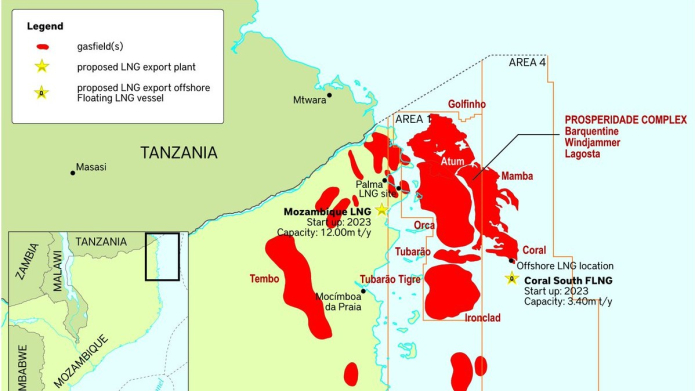
Patrick Pouyanne to discuss Anadarko’s African assets, according to two sources
familiar with the discussions. The two already had a relationship stemming from
the Dolphin Gas Project, a Middle East cross-border gas initiative where both
companies have an equal share. Total had made it known to her that they coveted
Anadarko’s properties, including a liquefied natural gas project in Mozambique.
“Vicki wanted to
show that she could quickly put the cash on the table. In less than 10 days she
had the cash ready,” a Paris-based source said. Omaha, Nebraska was next.
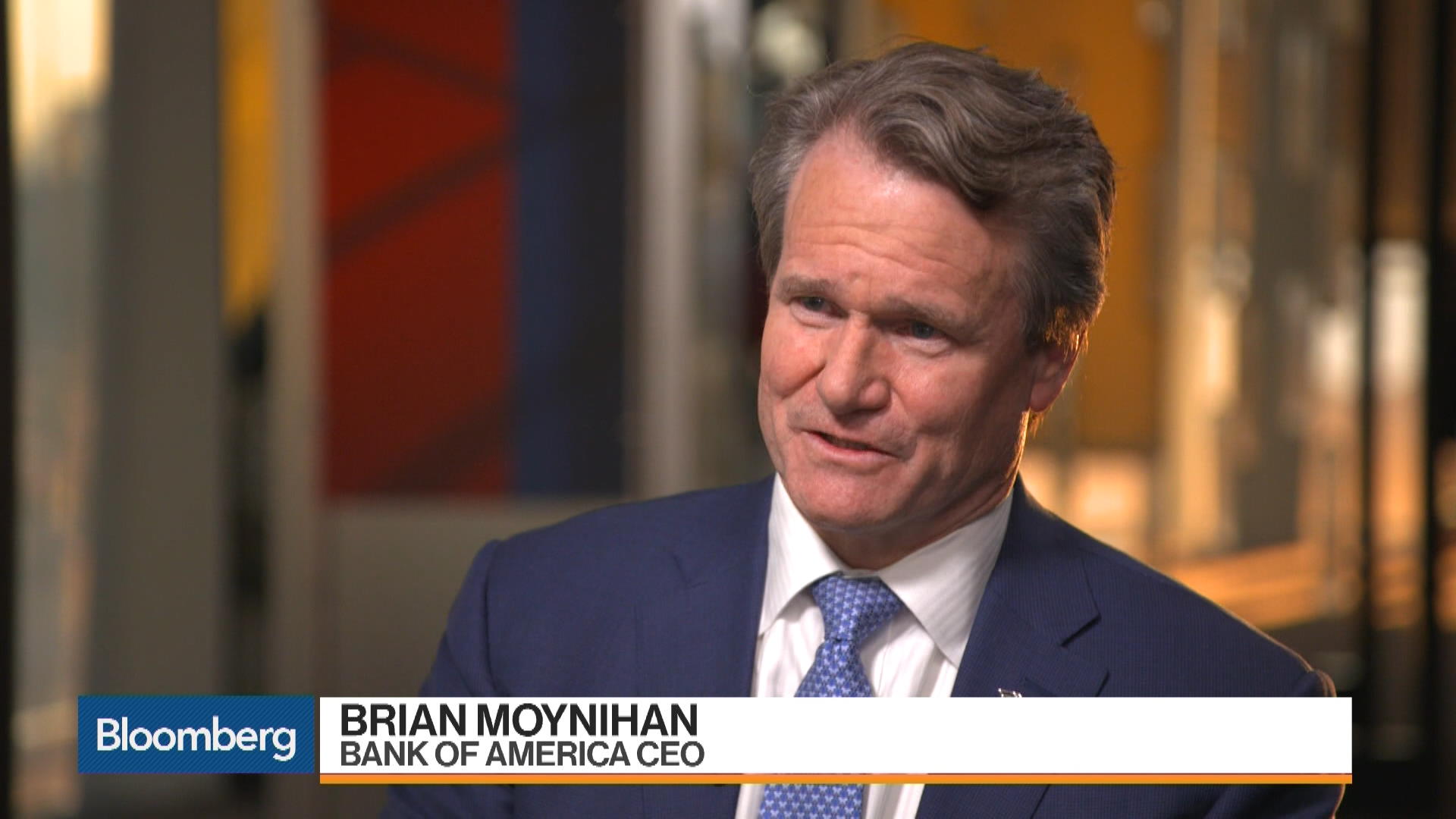
Buffett is known for moving quickly when a deal piques his interest, but he
tends to avoid getting involved in hostile takeover bids. The meeting was set
up by BofA CEO Brian Moynihan, whose bank was helping to provide financing for
the Anadarko deal. Hollub later said Buffett was “warm and wonderful” in their
meeting, a source familiar with the discussions said. Buffett, cash flush and
on the hunt for new deals, agreed to provide $10 billion in financing in return
for an 8 percent premium, a concern for dividend-focused shareholders who
believe the terms are too pricey. The two deals enabled Hollub to submit a
revised offer on Sunday, increasing the cash component from 50 percent to 78
percent. On Thursday, Chevron said it would collect its $1 billion termination
fee and walk away from the negotiations.


